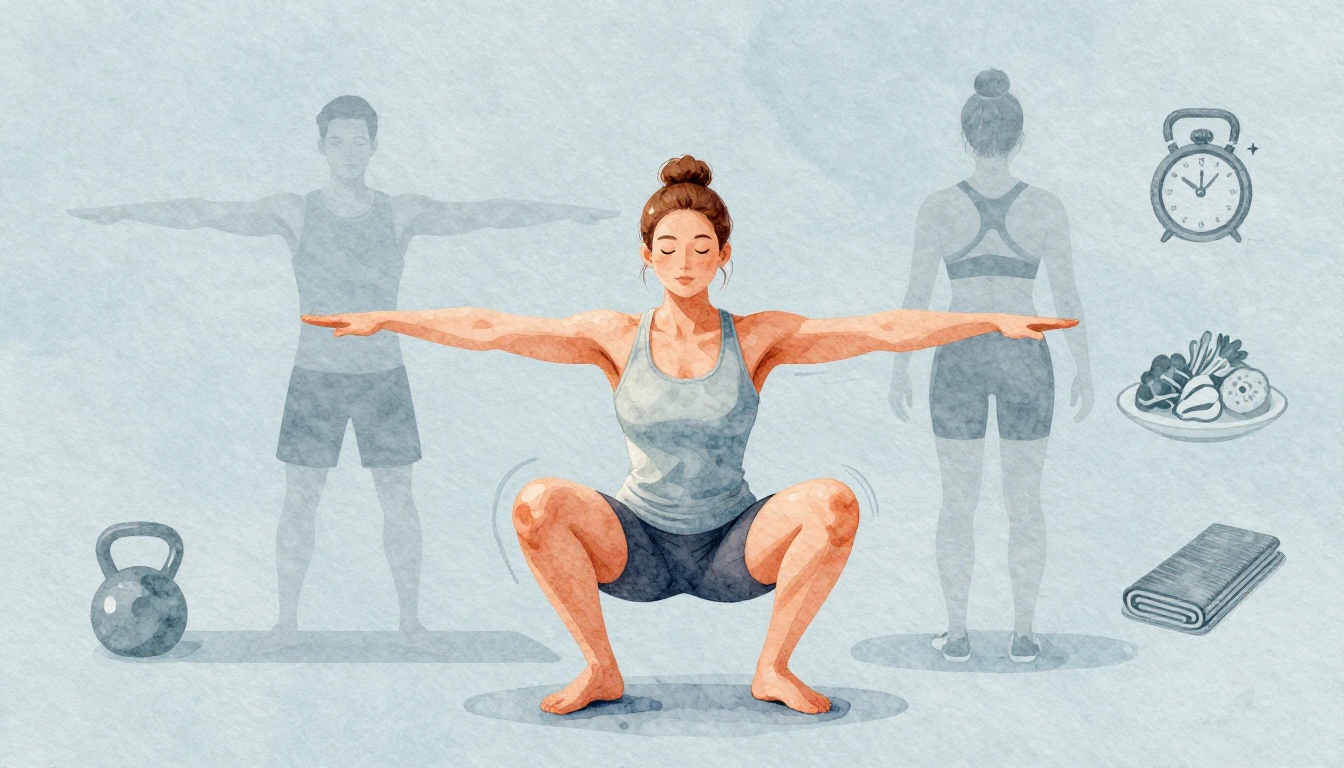
You crush a workout, but wake up sore in places that don’t make sense. Progress stalls too. Does that ring a bell? A 2025 ACE Fitness study found that 68 percent of gym-goers report injuries tied to poor form each year.
These slip-ups waste your effort and risk real harm. They slow gains because your body fights bad habits. Spot them early, and you’ll train smarter with less pain.
We break down five big ones here: sloppy form, skipped warm-ups, overtraining, ignored nutrition, and wild goals. Simple fixes follow each. You’ll walk away ready to tweak your routine today.
Sloppy Form That Leads Straight to Injury
Bad technique tops the list of workout mistakes. You arch your back on squats or flare elbows on bench presses. Muscles don’t fire right. Joints take extra stress.
Strains hit fast. Think lower back tweaks or knee pain. Over time, you plateau because the target muscles skip work. Your body recruits helpers instead.
Fix it with focus. Check yourself in the mirror during sets. Film reps on your phone. Compare to solid demos online.
Knees track over toes on squats. Keep a neutral spine, chest up. Practice slow reps at light weight first. Build the pattern.
For deeper tips on lifts like deadlifts, check ACE Fitness resources on proper squat form.
Consistency beats perfection. Start every session with form drills. You’ll lift heavier safely soon.
Spotting Your Biggest Form Flubs
Watch for these across moves.
Push-ups sag at the hips. Core stays tight instead. Plank position holds you straight.
Deadlifts round the back. Hinge at hips with flat back. Grip bar close.
Rows yank with arms. Pull with back muscles. Squeeze shoulder blades.
Lunges let knees cave in. Push them out gently. Foot stays flat.
Overhead presses arch the lower back. Brace core. Tuck chin a bit.
Catch one next workout. Pause and reset.
Quick Checks to Nail Perfect Form Every Time
Slow your reps to half speed. Feel where tension sits.
Ask a gym buddy for eyes on your sets. They spot blind spots.
Use cues like “brace like you expect a punch.” It locks your core.
Review video after each session. Note one tweak per exercise.
Do this for two weeks. Form sticks faster than you think.
Correct squat: neutral spine, knees tracking toes.
Skipping Warm-Ups and Paying the Price Later
You dive straight into heavy sets cold. Muscles tighten up. Injury odds jump.
A 2025 Journal of Orthopaedic & Sports Physical Therapy review shows cold starts raise muscle strain risk by 32 percent. Blood flow lags. Performance drops too.
Warm-ups prime joints and boost output. Spend 5 to 10 minutes. Feel looser and stronger.
Start with light cardio. March in place or bike easy. Add dynamic moves next.
For example, arm circles loosen shoulders. Leg swings prep hips. Follow with bodyweight versions of your workout.
Better flow means better lifts. Your mind sharpens too.
Sample routine: 2 minutes jog, 10 leg swings per side, 10 arm circles each way, then 5 air squats.
Customize it. Strength day? Light sets first. Cardio? Build pace slow.
Build a Warm-Up That Actually Works
Upper body focus needs band pull-aparts. They wake rear delts.
Runners swing legs forward and side to side. Loosens IT bands.
Cyclists do high knees. Gets heart rate up quick.
Keep it short. Move steady. No static holds yet.
Test it next session. Notice easier first reps.
Overtraining Without Enough Rest Days
You train hard every day. Gains halt. Fatigue builds.
Burnout creeps in with stalled weights or constant tiredness. Mood sours too.
WHO’s 2024 physical activity guidelines, updated in early 2026, stress recovery for sustainability. They recommend rest or light days after intense sessions.
Your body repairs during off time. Skip it, and hormones shift wrong. Cortisol spikes.
Add rest days. Aim for 1 to 2 per week. Sleep 7 to 9 hours nightly.
Deload every 4 to 6 weeks. Cut volume by half. Walk or yoga instead.
Listen close. Soreness fades in 48 hours normally. Push through red flags? Back off.
Active recovery speeds bounce-back. Short swims refresh without stress.
Signs You’re Pushing Too Hard
Track these symptoms.
Persistent muscle soreness lasts over 72 hours.
Sleep suffers even on rest nights.
Heart rate stays high at rest.
Strength drops for no reason.
Irritability hits outside the gym.
Motivation tanks mid-set.
Appetite swings wild.
Quiz yourself weekly. Three or more? Take a full rest week.
Smart Ways to Recover and Bounce Back Stronger
Foam roll tight spots daily. Eases knots.
Eat protein-rich meals post-workout. Supports repair.
Try meditation apps for 10 minutes. Calms the nervous system.
Walk 20 minutes on off days. Blood moves without strain.
Track sleep with a band. Adjust bedtime if under 7 hours.
Recovery builds strength. You’ll hit PRs fresher.
Ignoring Fuel and Water During Workout Days
Empty tank leads to cramps or weak reps. You push, but fade fast.
Carbs fuel muscles. Skip them, and power dips. Dehydration thickens blood. Heart works harder.
A 2025 Nutrients journal study confirms pre-workout meals cut fatigue by 25 percent.
Drink half your body weight in ounces of water daily. More on sweat-heavy days.
Eat balanced. Protein with carbs 1 to 2 hours before. Banana and peanut butter works quick.
Post-workout, refuel in 30 minutes. Yogurt with fruit hits the spot.
Time it right. No gut bombs mid-session.
What to Eat Before and After for Max Gains
Before: Oatmeal with nuts. Steady energy.
Greek yogurt and berries. Light protein-carb mix.
After: Turkey sandwich on whole grain. Rebuilds fast.
Chocolate milk shake. Classic recovery drink.
Portion small. Listen to hunger cues.
Hydrate steady. Pee clear often.
Easy pre-workout fuel: banana and peanut butter.
Chasing Unrealistic Goals That Set You Up to Quit
You aim to drop 20 pounds in a month. Miss it, and you quit.
All-or-nothing thinking kills momentum. No tracking worsens it.
Set SMART goals. Specific, measurable, achievable, relevant, time-bound.
Lose 1 to 2 pounds weekly. Track workouts in an app.
Snap weekly photos. Scale lies with water weight.
Check progress Sundays. Adjust as needed.
Celebrate small wins. Added a rep? Good.
Apps like MyFitnessPal log food easy. Stay honest.
Patience pays. Steady beats crash diets.
Fix One Mistake and Transform Your Workouts
Poor form hurts most, but any fix boosts results. Warm up proper. Rest enough. Fuel smart. Set real goals.
Pick one this week. Track changes over 30 days.
Imagine no nagging pains, steady gains. That’s your new normal.
Share your top mistake in the comments. What’s your fix plan? Subscribe for beginner routine tips next. Consistency wins.