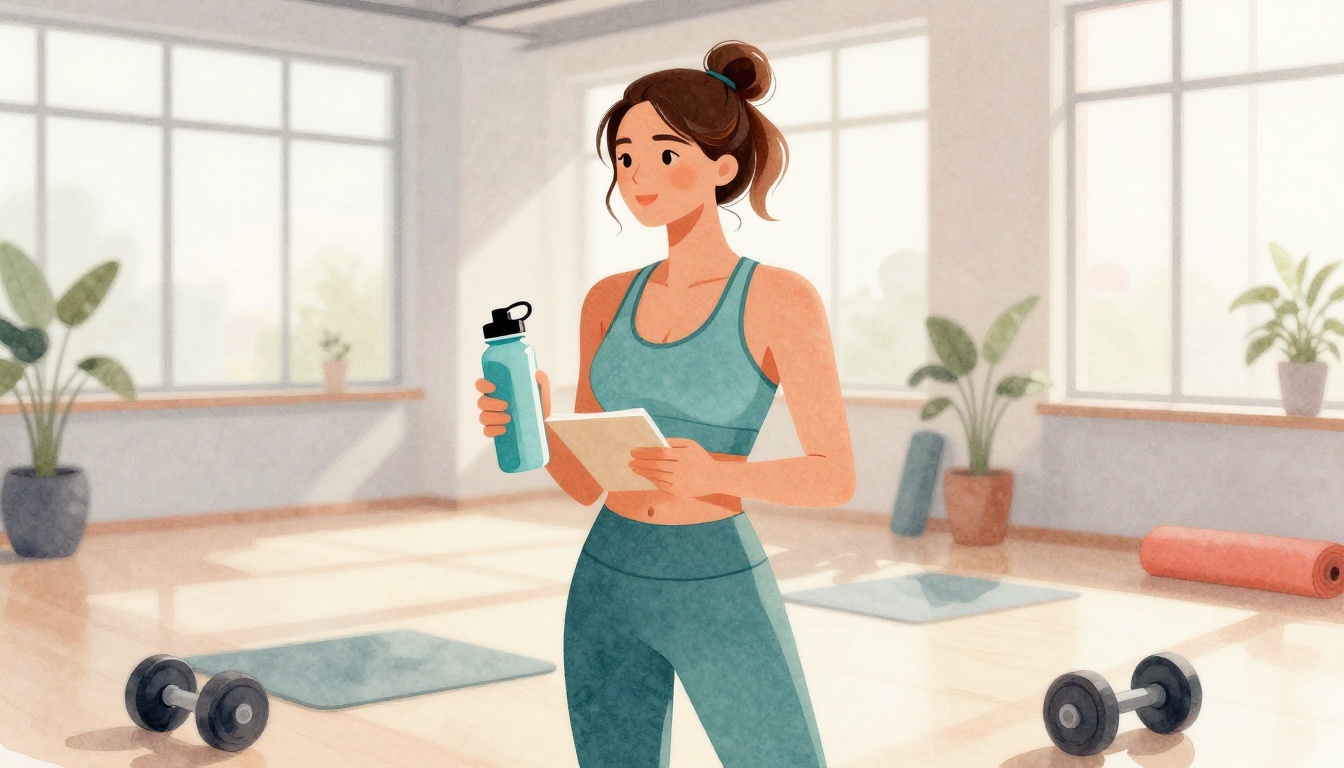
Picture Sarah last January. She bought a gym membership, went daily for a week, then stopped cold. Her scale didn’t budge much, so she quit. Does that ring true for you?
Many face the same issue. They chase quick fixes like crash diets or endless workouts. Burnout follows fast. In fact, a 2025 report from the International Health, Racquet & Sportsclub Association notes that 80% of new gym members drop out by February. Another 2026 survey by the Fitness Industry Council backs this up with similar numbers.
Realistic fitness goals fix that problem. They prevent injury, cut frustration, and create habits that last. You avoid the all-or-nothing cycle.
This article walks you through the process. First, assess where you stand. Next, build SMART goals. Then, map your plan. Finally, track and adjust. Stick with it, and you’ll build strength and confidence that endures.
Assess Your Starting Point Honestly
You can’t hit a target you can’t see. Start by checking your current fitness level. Skip guesses. Use simple tests instead.
Honesty matters here. Overestimate, and you’ll set goals too high. That leads to failure. Underestimate, and you waste time on basics you already know. A true baseline guides smart choices.
Busy parents often overlook sleep or stress. Students might ignore poor eating. Both groups benefit from quick checks. For example, a parent with toddlers tests energy after chores. A student measures after late nights.
Consult a doctor first if you have health issues like joint pain or heart concerns. Safety comes before speed.
Include lifestyle factors too. Note your job demands, family time, and budget. These shape what works.
Simple Tests to Gauge Your Fitness
Try these at-home tests. No gear needed. Do them on a rest day.
Time a one-mile brisk walk. Beginners aim under 20 minutes. Intermediates hit 15 or less. This checks cardio health.
Hold a plank. Start on forearms, body straight. Newbies manage 20 seconds. Better fitness means 60 seconds plus.
Count push-ups in one minute. Modify on knees if needed. Five to ten suits starters. Twenty shows strength gains.
Test flexibility with sit-and-reach. Sit with legs extended, reach forward. Touch toes? Good base. Further means solid range.
Record scores now. They become your progress markers.

These tests reveal weaknesses fast. For instance, poor plank time signals core work ahead.
Factor in Your Daily Life Realities
Life isn’t a gym brochure. Time limits goals.
Ask yourself key questions. How many free hours per week? Evenings busy with kids? Weekends open?
Check energy. Mornings best, or evenings? Poor sleep drains workouts.
Review eating basics. Do you skip breakfast? Add protein sources like eggs or nuts.
Budget counts too. Free walks beat pricey classes.
Realistic baselines stick. A desk worker starts with desk stretches. That builds to walks.
In short, match goals to your world. Progress follows naturally.
Build Goals That Are SMART and Tailored to You
Vague goals flop. “Get fit” sounds good but fails. Use the SMART method instead. It makes targets clear and doable.
SMART stands for Specific, Measurable, Achievable, Relevant, Time-bound. Fitness experts updated it in 2026 to include Enjoyable. That boosts motivation.
Bad goal: Lose weight. Good one: Walk 30 minutes, five days a week, for eight weeks. Track steps with a phone app.
This approach builds wins. Small successes spark confidence. You keep going.
Common pitfalls hurt. Skip recovery, and injury strikes. All-or-nothing mindsets lead to quits after one slip.
Tailor goals to you. Love hiking? Plan trails. Hate running? Choose cycling.
Realistic fitness goals like these create change without pain.
Break Down SMART with Fitness Examples
Make goals specific. Don’t say “exercise more.” Say “jog three times weekly at the park.”
Measure progress. Use apps or journals. Steps, reps, or miles work well.
Keep it achievable. Beginners pick 10-minute sessions. Build from there.
Ensure relevance. Goals should fit life. Family man chooses group walks.
Set time limits. Aim to run a 5K in 12 weeks.
Here’s a quick template:
| SMART Element | Fitness Example |
|---|---|
| Specific | Bike 10 miles weekly |
| Measurable | Log in Strava app |
| Achievable | Use neighborhood paths |
| Relevant | Improves commute energy |
| Time-bound | Complete by June 1 |
| Enjoyable | Listen to podcasts |
This table simplifies setup. Adjust numbers to your level.
Spot and Fix Unrealistic Traps
Watch for traps. Chasing celebrity bodies ignores genetics.
Plateaus happen. Bodies adapt. Don’t push harder; vary routines.
No rest days burn you out. Schedule one weekly.
Fix by scaling down. Miss a day? Shorten the next. Focus on energy gains or looser clothes.
Non-scale wins matter most. Better sleep or stairs without huffing count big.
Adjust often. Goals evolve with you.
Map Out Your Step-by-Step Action Plan
Goals need action. Turn them into habits.
Start small for quick wins. A beginner walks three times weekly. Intermediates add squats.
Choose enjoyable workouts. Apps help. Try Nike Training Club’s 2026 bodyweight plans.
Nutrition supports it. Add veggies and protein. Prep simple meals like chicken salads.
Use free tools. Google Calendar blocks time. MyFitnessPal tracks calories.
Build excitement. First week success fuels the rest.
Sample for beginners: Monday plank circuit, Wednesday walk, Friday yoga flow.
This plan fits real lives. Results compound over time.
Pick Workouts and Habits That Fit
Beginners love walks or yoga apps. No gym required.
Bodyweight circuits build strength. Squats, lunges, push-ups rotate easy.
Nutrition stays simple. Swap soda for water. Add nuts for snacks.
Gear? Good sneakers suffice. Skip machines at first.

Parks offer free motivation. Fresh air helps adherence.
These choices stick because they match your routine.
Schedule It Like a Pro
Block time weekly. Monday, Wednesday, Friday: 20-minute workouts.
Daily: Aim 8,000 steps. Pair with coffee breaks.
Habit stack. Walk after dinner. It links to existing routines.
Find a buddy. Texts keep you accountable.
Sample week:
- Monday: 20-min walk.
- Tuesday: Rest or stretch.
- Wednesday: Bodyweight strength.
- Thursday: Active recovery walk.
- Friday: Yoga app session.
- Weekend: Family hike.
Flex if needed. Consistency beats perfection.
Track Wins, Tweak, and Keep the Momentum
Progress hides without tracking. Log daily.
Apps shine here. Strava maps runs. Habitica gamifies habits.
Weigh weekly, not daily. Measure waist too. Note energy levels.
Review Sundays. Celebrate hits like extra reps. Adjust misses.
Rewards motivate. New sneakers after a month.
Reassess every three months. Bodies change; goals should too.
This keeps fire alive. Quitting fades away.
Easy Ways to Measure Progress
Skip scale obsession. Track strength: More push-ups? Win.
Clothes fit better. Energy soars for chores.
Apps log free. Printable sheets work offline.
Photos every two weeks show shifts.
These metrics build proof.
What to Do When Progress Slows
Plateaus strike around week six. Take a deload: Lighter sessions.
Add variety. Swap walks for swims.
Check sleep. Seven hours minimum aids recovery.

Mindset shifts help. Praise effort, not just results.
Process over perfection wins long-term.
Realistic goals transform fitness. You assessed honestly, built SMART targets, planned actions, and tracked smartly.
Sarah now walks daily. She lost 20 pounds over six months, no rebound.
Set one goal today. Walk 20 minutes three times this week.
Share yours in comments. What baseline test surprised you?
Lifelong fitness starts small. You got this.