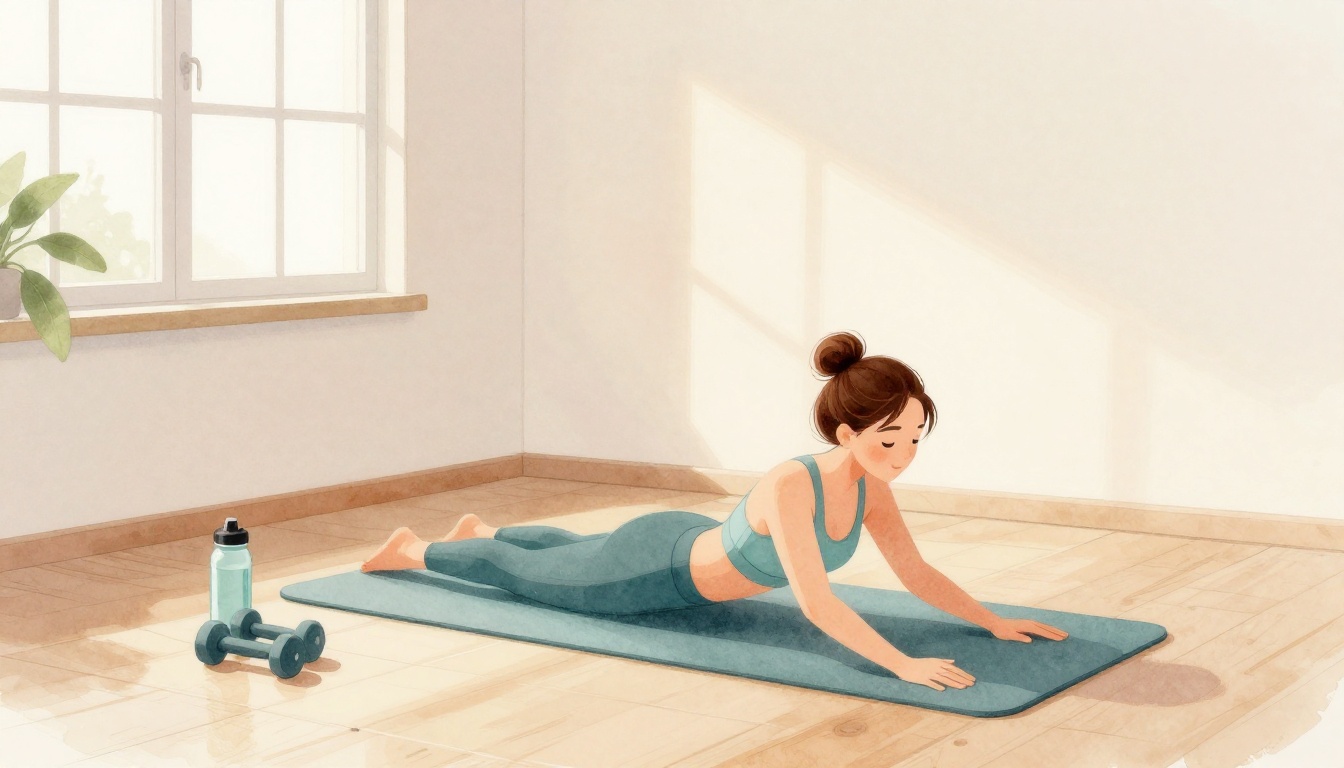
Picture this: Sarah stared at her closet full of dusty workout gear, tired of pricey gym memberships and confusing apps that promised results but delivered frustration. She ditched it all for a simple workout plan she built herself at home. Now, three months later, she’s stronger, consistent, and hooked.
You’ve felt that overwhelm too, right? Gyms cost hundreds yearly, schedules clash with life, and generic plans ignore your needs. But when you build a workout plan from scratch, you save cash on fees, train anytime that fits, and gain real confidence from owning your routine.
In this guide, we’ll walk through assessing your goals, picking easy exercises, scheduling sessions, and tracking progress. You’ll have a beginner-friendly plan ready in minutes. Let’s start with step one.
Figure Out Your Goals and Starting Fitness Level
Before you pick exercises or set a schedule, pause here. Ask yourself what you really want from this workout plan. Clear goals keep you motivated, while knowing your starting point prevents injury or burnout. You build a plan that fits your life, so results stick. Let’s break it down.
Set Goals That Excite and Challenge You
Start with SMART goals for fitness goals for beginners. Specific means you name exact actions. Measurable tracks progress. Achievable matches your life. Relevant ties to your why. Time-bound sets a deadline.
For example, swap “get fit” with “do 20 squats daily for 4 weeks.” You count reps, build legs without overwhelm, and finish by a date. Or aim to “lose 10 pounds in 8 weeks by walking 30 minutes five days weekly.” Weigh weekly, adjust food, and celebrate the end.
Common goals work because they focus effort. Consider these:
- Strength: Bench press your body weight after 12 weeks. You lift heavier groceries easier.
- Endurance: Run 5K without stopping in two months. Stairs feel simple.
- Fat loss: Drop two jean sizes in six weeks. Clothes fit better, energy rises.
What fires you up? Grab paper now. Answer: Why start workouts? What change excites you most? How will you measure success? When do you want results? Write one SMART goal. This step turns vague wishes into real wins.
Honestly Assess Your Current Fitness
Face facts about your body today. Skip guesses; test in five minutes. These equipment-free checks reveal your baseline. Results guide plan intensity, so you start safe.
Try these quick tests:
- Max push-ups in 60 seconds. Drop and count good form (chest to floor, straight body).
- Wall sit hold. Back flat against wall, thighs parallel to floor. Time until shake.
- Plank hold. Forearms down, body straight. Clock seconds before hips dip.
- One-mile walk brisk pace. Note time; under 15 minutes shows decent cardio.
Score low? Begin gentle, add reps slowly. Strong already? Ramp volume. Factors matter too. Age slows recovery, so rest more past 40. Injuries demand mods, like knee-friendly squats. Limited time? Short bursts beat nothing.
Always check with a doctor first, especially if over 45, new to exercise, or health issues linger. Honesty avoids burnout. Log scores now. They shape your plan, like fewer sets if push-ups max at 10. You match effort to reality for steady gains. Next, pick moves that build from here.
Pick Beginner Exercises That Hit Every Muscle Without Fancy Gear
You can build full strength without barbells or machines. Bodyweight exercises for beginners target legs, upper body, and core effectively. They fit any space, cost nothing, and scale with your progress. Because they use your own weight, you avoid injury risks from heavy loads. Start simple to match your fitness test results. Aim for 3 sets of 8-12 reps per move, or hold times for static ones. Rest 60 seconds between sets. Do this 3 times weekly. These picks ensure balanced coverage, so no muscle lags behind.
Master These 5 Essential Bodyweight Moves
Focus on form first. Poor setup leads to strains, so follow steps closely. Next, watch for mistakes. Finally, add progressions as you get stronger. Group them by area: legs for power, upper body for push-pull balance, core for stability.
Squats (legs): Stand feet shoulder-width. Lower hips back like sitting in a chair. Knees track over toes; thighs hit parallel. Push through heels to stand. Common mistakes include knees caving in or rounding the back; keep chest up. Progress to jump squats after 4 weeks.
Knee push-ups (chest, shoulders, triceps): Kneel arms wider than shoulders. Lower chest to floor; elbows at 45 degrees. Push up strong. Body stays straight from knees to head. Avoid flaring elbows wide or sagging hips. Advance to full push-ups when reps feel easy.

Planks (core): Forearms on floor, elbows under shoulders. Lift to straight line from head to heels. Squeeze glutes; breathe steady. Hold 20-30 seconds. Don’t let hips pike up or sag; engage abs fully. Build to side planks for obliques.
Glute bridges (glutes, hamstrings): Lie back, knees bent, feet flat. Lift hips high; squeeze glutes at top. Lower slow. Keep shoulders down. Mistake: arching low back; tuck pelvis instead. Progress with single-leg version.
Inverted rows (back, biceps): Lie under a sturdy table. Grip edge overhand. Pull chest up; elbows back. Lower controlled. No table? Use a bedsheet over door. Avoid shrugging shoulders. Add pause at top for gains.
These moves hit every major group. Practice twice before your full session. You gain stability fast because they build from basics.
Optional Add-Ons with Household Items
Want more challenge? Grab everyday stuff as weights. They mimic dumbbells without buying gear. Pick 3 max to keep it simple.
Water bottles (full ones) work for rows. Grip tight; pull as in inverted rows. Do 3 sets of 12. Builds back grip strength.
Canned goods suit goblet squats. Hold one vertical at chest; squat deep. 10-15 reps per set. Targets legs plus core.
Loaded backpack fits lunges. Strap on back; step forward, lower until back knee nearly touches. Alternate legs, 8 per side. Boosts lower body power safely.
Stick to these. They add resistance without complexity. Test weight first; too heavy slows form. Because home items vary, swap if needed. Your plan stays flexible and effective.
Craft a Weekly Schedule That Fits Your Busy Life
Life pulls you in every direction. Work meetings stack up. Family needs attention. Yet, you can still build a weekly workout plan from scratch that sticks. Start with 3-4 full-body days each week. These sessions hit all muscles without long hours. Pick 30-45 minutes per workout. Space them out, like Monday, Wednesday, and Friday. Rest days in between allow repair. Muscles grow stronger during those breaks. As a result, you stay fresh and injury-free. Tweak days to match your routine. Early bird? Hit it before dawn. Night owl? Evenings work fine. Consistency beats perfection every time.
Choose the Right Workout Days and Duration
Three workout days suit most beginners best. Pros include full recovery time. You feel energized, not drained. Consistency comes easy because overload stays low. Cons mean slightly slower strength gains. Four days ramp progress faster. Muscles adapt quicker with more stimulus. However, poor rest leads to fatigue or strains. Beginners often skip this until week eight.
Keep sessions short at 30-45 minutes. Five minutes warm up first. Three sets per exercise follow. Cool down lasts five minutes. Rest 60-90 seconds between sets. Recovery drives results. Sleep eight hours nightly. Fuel with protein shakes or chicken post-session. These steps make your plan sustainable. Track how you feel. Tired mid-week? Drop to three days.
Follow This Ready-to-Go Sample Routine
Grab this plug-and-play 3-day full-body plan. It builds on squats, push-ups, planks, bridges, and rows. Do the same routine each session for simplicity. Beginners use knee push-ups and 10 reps. Intermediate folks go full push-ups and 15 reps. Add household weights if ready.
Start with a 5-minute warm-up of jumping jacks. Finish with cool-down stretches. Print this table for your fridge.
| Exercise | Sets x Reps/Time | Rest Between Sets |
|---|---|---|
| Squats | 3 x 10-15 | 60 seconds |
| Knee Push-Ups | 3 x 10-15 | 60 seconds |
| Planks | 3 x 20-30 sec | 60 seconds |
| Glute Bridges | 3 x 10-15 | 60 seconds |
| Inverted Rows | 3 x 10-15 | 90 seconds |
After each workout, eat 20-30 grams of protein. Yogurt with nuts works quick. This repairs muscles overnight. Swap Friday for Saturday if weekends suit better. You finish strong in under 45 minutes.
Always Warm Up and Cool Down Properly
Skip warm-ups at your peril. They boost blood flow to muscles. Joints loosen up. Injury odds drop because tissues prepare for stress. Dynamic moves beat static stretches here. Pick four to start each session.
- Jumping jacks for 1 minute raise your heart rate fast.
- Arm circles, 30 seconds forward then back, free shoulders.
- Leg swings, 10 per leg, wake up hips.
- High knees marching in place for 1 minute build mobility.
Cool downs calm your body. They flush waste and ease tightness. Hold each stretch 20-30 seconds without bounce. Try these five essentials.
- Quad stretch: Pull one heel to glute, switch sides.
- Hamstring forward fold: Bend at hips, reach for toes.
- Chest opener: Clasp hands behind back, lift arms.
- Child’s pose: Kneel, fold forward, arms extended.
- Cat-cow on all fours: Arch and round your spine.
Do them daily, even on rest days. Your body thanks you with fewer aches.
Track Progress and Tweak for Long-Term Wins
You nailed your goals, picked solid exercises, and set a schedule that fits. Now comes the key to real results: track workout progress consistently. Without logs, you guess at gains and repeat the same routine forever. But smart tracking shows exactly what’s working. You spot wins early, tweak weak spots, and avoid plateaus. In short, it turns short bursts into lifelong habits. Let’s set you up.
Set Up an Easy Way to Log Your Workouts
Start simple because fancy apps overwhelm beginners. Grab a notebook, your phone’s notes app, or print a free template. These cost nothing and take seconds per session. For example, download a basic printable workout log sheet from Nerd Fitness. It lists dates, exercises, and reps neatly.
Log these details right after each workout. Date helps you see weekly trends. Note reps, sets, hold times, or household weights used. Rate your effort too: jot “felt strong” or “legs burned at rep 12.” Add notes on sleep or stress because they affect performance.
Do weekly check-ins for big-picture views. Measure waist, arms, or thighs with a tape. Snap front and side photos in the same light and pose. These prove changes your mirror misses.
Here’s what to track in one quick list:
- Exercises and output: Squats: 3×12, or plank: 3×25 seconds.
- Body feel: Energy high? Soreness mild?
- Non-scale wins: Stairs easier? Jeans looser?
Review Sundays. Celebrate if reps rose or holds lengthened. This builds momentum fast.

Spot Progress and Know When to Make Changes
Progress hides if you ignore it. Watch for clear signs like finishing sets faster or adding reps without strain. Push-ups go from knee to full? That’s a win. Planks hold 45 seconds easy? Core strengthened. These milestones mean your body adapted, so bump the challenge safely.
Follow these rules to progress. First, if you hit 12-15 reps smoothly for two sessions, add two more reps or one set. Second, shorten rest to 45 seconds. Third, swap to harder versions: full push-ups or jump squats. Increase one thing at a time to stay safe.
Rest when needed though. Persistent soreness, constant fatigue, or poor sleep signal overtraining. Skip a day or regress to last week’s reps. Sleep extra and eat protein-rich meals. You bounce back stronger.
Motivation stays high with small rewards. Hit a milestone? Treat yourself to new sneakers or a park walk. Share photos with a friend for accountability. Because you track honestly, changes feel earned. Your plan evolves, results compound, and you win long-term. Keep at it.
Dodge Common Pitfalls to Keep Your Plan Fun and Effective
You built a solid plan with goals, exercises, and tracking. Great job. Still, beginners hit snags that sap fun and stall results. Common slips include poor form or skipped rests. Fix them quick. Pair workouts with recovery basics too. Your routine stays fresh and works long-term.
Prioritize Form Over Reps
Form protects you first. Knees cave on squats? Joints ache later. Check posture each set. Use a mirror or phone video. Elbows flare on push-ups? Tuck them at 45 degrees. Because good technique builds strength safe, sloppy reps waste time. Practice slow. Strength grows steady.
Build in Rest Days
Skip rests and fatigue hits hard. Muscles repair off the mat. Schedule two full days weekly. Walk or stretch light instead. Soreness lingers? Add one more. Rest fuels next sessions. You push harder because recovery rebuilds stronger.
Drop the All-or-Nothing Trap
Miss a workout? Life happens. Don’t scrap the week. Do 20 minutes instead. Half effort beats zero. Track what you finish. Small wins stack up. Consistency turns plans into habits over time.
Steer Clear of Quick Fixes
Pills or gadgets tempt easy wins. Real progress comes from basics. Eat whole foods. No magic needed. Stick to your log. Results show in weeks.
Boost recovery daily. Sleep 7-8 hours nightly; it mends tissues best. Drink half your weight in ounces of water. Simple meals like eggs, chicken, veggies, and oats refuel fast. For deeper tips, check ACE Fitness on beginner recovery strategies.
Quick Answers to Pitfall Fears
Hurt from bad form? Stop. Regress to easier moves. Ice and rest 48 hours.
Bored already? Swap one exercise weekly. Rows for bridges keep it fresh.
No motivation? Pair workouts with podcasts. Fun pulls you back.

These tweaks keep your plan alive. You enjoy the process. Gains follow natural.
Conclusion
You assessed your goals and fitness level first. Then you picked bodyweight moves like squats and planks. Next came a 3-day schedule with warm-ups and tracking. Finally, you dodged pitfalls by focusing on form and rest. These steps create a simple workout plan that fits your life perfectly.
As a result, you save money and build real strength at home. Consistency wins because the plan matches your needs. You have everything to build a plan that works for you.
Start today with the sample routine. Download the free PDF log sheet here (simple-workout-log.pdf) and share your first week’s progress in the comments below. What’s your top goal? Check our beginner nutrition guide next for faster results. Your stronger self waits.