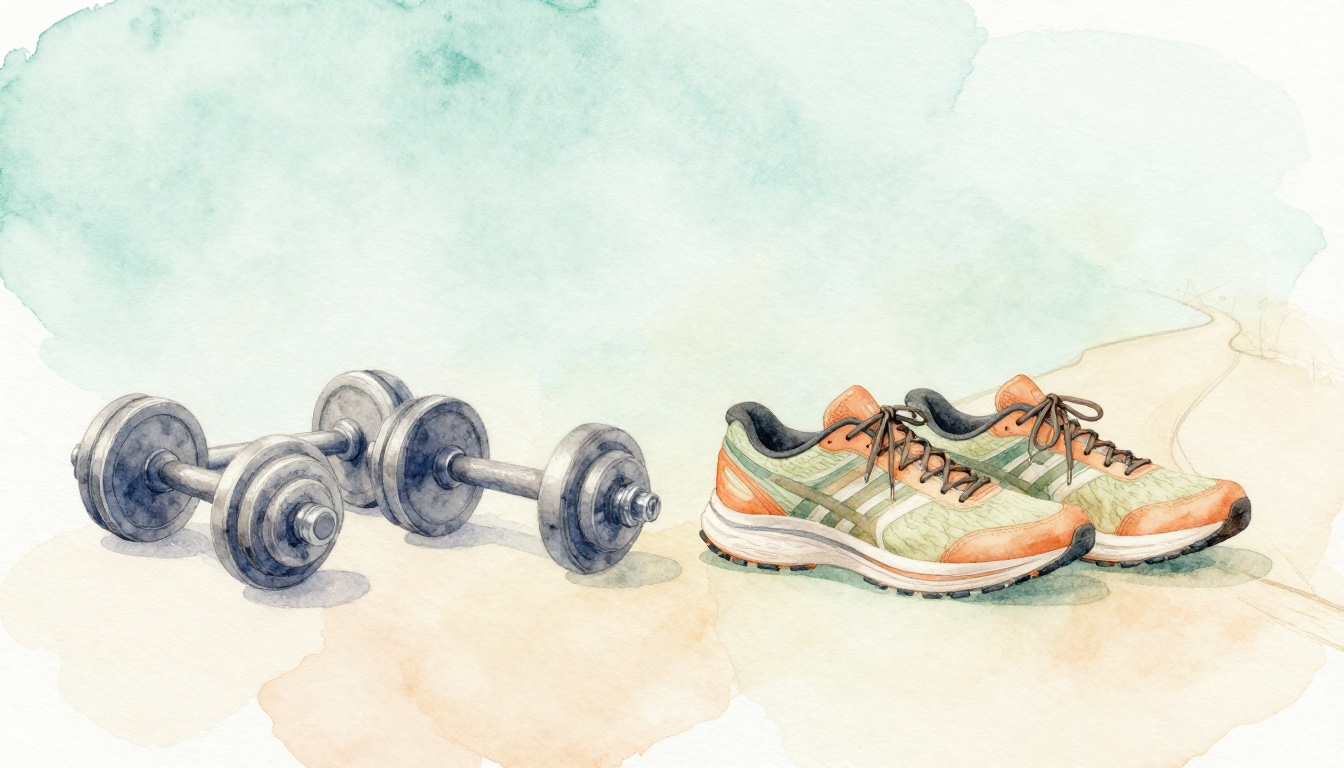
You’ve stuck to your gym routine for months. Suddenly, those weights feel light. Your runs drag on without thrill. Bodies adapt fast to the same stress. Plateaus hit hard, and gains stall.
Exercise science backs this. Most folks plateau after 6-8 weeks on the same program. Frustration builds. You wonder if progress ended. Don’t worry. This post shows you how to spot signs you’re ready for change. You’ll learn safe ways to adjust, add variety, boost recovery, and track results. Small tweaks spark big wins. Keep reading to break through.
Spot the Clear Signals It’s Time to Shake Up Your Routine
Bodies adapt through supercompensation. They rebuild stronger after stress. But repeat the same workouts, and that process slows. Recognize signals early. You avoid burnout and keep momentum. Runners often see paces stall first. Lifters notice reps too easy.
Your Workouts Start Feeling Too Easy
Sets zip by without sweat. You finish sessions quicker than before. Your nervous system got efficient. It handles the load smooth now.
Test it. Add 10% more weight. If form stays perfect and it’s simple, overload time arrived. This keeps muscles growing.
Strength or Endurance Gains Have Flatlined
No personal records in 2-4 weeks? That’s a plateau. The SAID principle explains it. Bodies adapt specific to demands you impose. Check logs. Stalled reps, weights, or times scream for change.
Log everything. Then act. Progress resumes fast.
Recovery Feels Faster with Less Soreness
Less delayed onset muscle soreness means adaptation won. Muscles toughened up. That’s good. But don’t stop. Ramp intensity now.
Differentiate it from overtraining. Fatigue lingers there. Quick bounce-back invites harder work.
Apply Progressive Overload Without Risking Injury
Progressive overload drives gains. Bump stress gradually. The ACSM backs this approach with decades of data. Aim for 5-10% increases. Types include volume, intensity, frequency. Skip ego lifts. Form first protects joints.
A watercolor image shows a person carefully adding small weight plates to a barbell in a home gym, focused expression, soft lighting.
Boost Weights, Reps, or Sets Gradually
Add 2.5-5 pounds weekly per lift. Hold form tight. Or shift from 3 sets of 10 to 4 sets of 10. Double progression works best. Hit rep max? Up weight next.
Squats example: 3×10 at 135 pounds. Reach 3×12. Then 3×10 at 145. Steady wins.
Shorten Rest Periods or Speed Up Tempo
Cut rests from 90 to 60 seconds. Endurance builds. Try tempo: 3 seconds down on lifts. Hypertrophy and conditioning improve.
You’ll feel the burn return. Muscles respond.
Increase Workout Frequency Smartly
Add a fourth day if sleep stays solid. Try upper/lower splits. Watch heart rate variability or sleep quality. Overtraining cues like poor rest mean back off.
Frequency fits most schedules. Results follow.
Mix in Variety to Target Muscles from New Angles
Same moves bore you. They cause imbalances too. The NASM notes variation cuts injury risk. Cycle exercises every 4-6 weeks. Stay consistent overall. Muscles hit fresh angles grow better.
Swap Similar Exercises to Shock Stubborn Muscles
Ditch barbell bench for dumbbells. Swap squats for lunges. Forget muscle confusion hype. Neural drive boosts instead. Stick to compounds.
Chest gains explode. Legs balance out.
Add HIIT or New Modalities for Full-Body Thrills
Circuits shake metabolism. Grab kettlebells or bodyweight flows. Beginner HIIT: 20 seconds work, 40 rest. Repeat 8 rounds.
Fat loss speeds up. Cardio thrives without miles.
A watercolor painting depicts a diverse group doing a high-intensity interval training circuit outdoors, dynamic poses, vibrant energy, natural daylight.
Periodize Your Training for Long-Term Wins
Alternate linear and undulating styles. Linear builds steady. Undulating mixes daily. Studies show 20% more gains with periodization.
Four-week blocks: build volume, peak intensity, deload. Sustainability soars.
Amp Up Recovery to Support Harder Workouts
Intensity rises. Recovery must match. Poor sleep cuts gains in half, research says. Add active rest. Nutrition fuels it all.
Schedule Deload Weeks Every 4-6 Weeks
Drop volume 50%. Keep intensity. Central nervous system resets. Mood dips or bad sleep? Deload now.
You’ll return stronger. Energy rebounds.
Fuel and Rest Better to Maximize Adaptation
Hit 1.6-2.2 grams protein per kilo bodyweight. Sleep 7-9 hours. Foam roll daily. Apps track it.
Recovery powers progress.
Track Progress Like a Pro to Nail Future Adjustments
Guesswork fails. Data guides tweaks. Free tools work fine. Set SMART goals. Cheer form improvements too.
Log Workouts with Apps or Simple Journals
Use Strong app or notebook. Note weights, reps, feel, photos. Review monthly.
Patterns emerge. Adjust sharp.
Set Benchmarks and Adjust Based on Data
Aim PRs every 8 weeks. No gains? Check form, calories, stress. Pivot quick.
Data keeps you ahead.
Spot signals your routine needs change. Apply overload safe. Add variety smart. Recover well. Track every step. One reader transformed: stalled at 200-pound bench. Swapped presses, periodized, hit 225 in months. You can too.
Pick one tweak this week. Try it. Share your progress in comments. Progress is a marathon. Stay consistent.