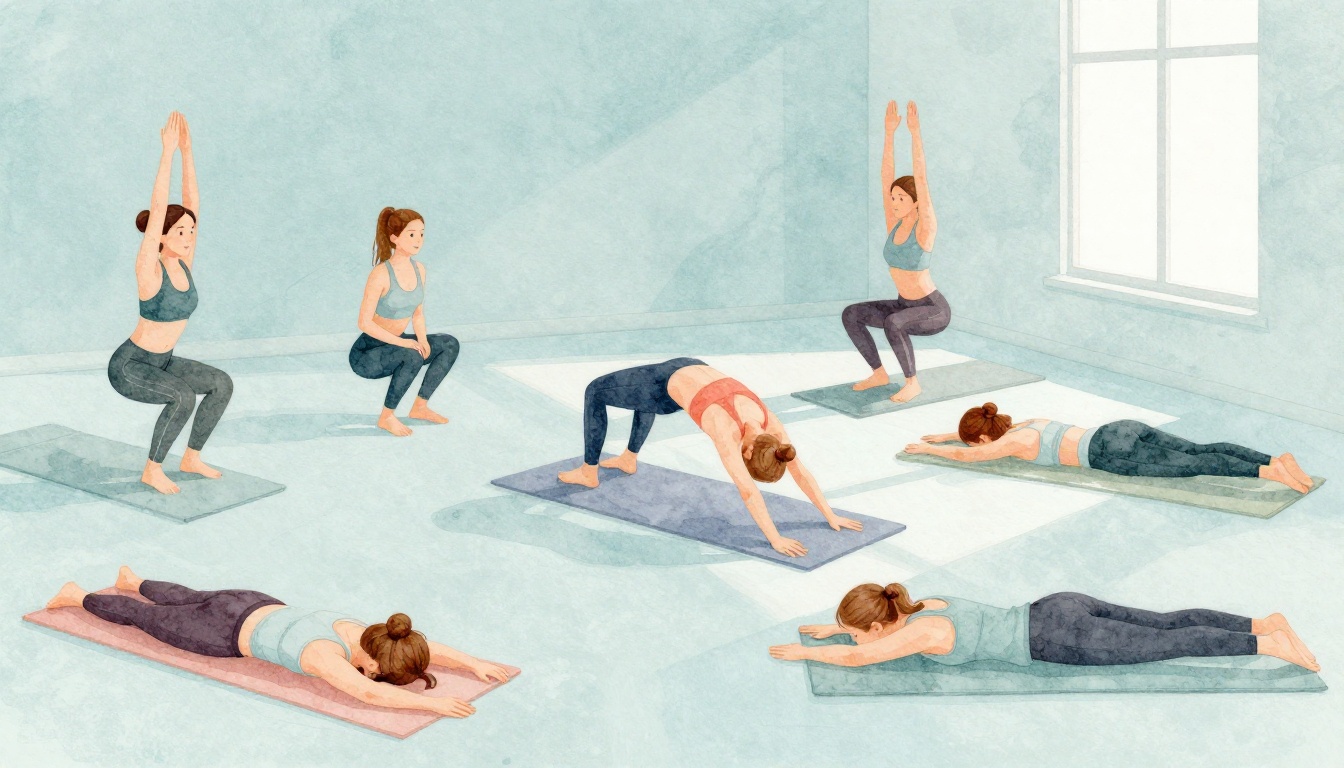
Picture Sarah. She rushed into strength training full speed. Heavy weights, no warm-up. One week later, a pulled back muscle sidelined her for months. Now imagine Tom. He checked with his doctor first. Started with bodyweight moves. Built up slowly. Today, he lifts groceries easily, sleeps better, and feels confident. Strength training delivers real perks. You get stronger muscles for daily tasks. Bones stay dense to fight osteoporosis. Mood lifts because endorphins kick in. Energy rises so stairs feel simple.
But safety matters most for newbies. Skip it, and pulls, strains, or joint pain hit hard. Rushing leads to quits. This guide shows you how. First, check readiness. Next, grab basic gear. Master form on key moves. Follow a week-one plan. Dodge common traps. Then progress smart. You’ll start strength training safely. These beginner strength training tips build habits that last.
Check Your Readiness Before Picking Up Weights
You want gains without setbacks. So assess if strength training fits now. Skip this, and injury risk climbs. Focus on health history and current fitness. Start slow if needed. Bodyweight exercises build a base cheaply.
Most folks dive in blind. However, prep cuts risks. If over 40, see a doctor first. Long sedentary spells count too. Heart issues or joint pain? Get cleared. Self-tests reveal your level. They guide intensity.
Talk to Your Doctor for a Green Light
Certain people need pro advice before lifting. Anyone with high blood pressure, diabetes, or arthritis falls here. Recent surgery? Wait for okay. Heart conditions demand caution because effort stresses the system.
Ask simple questions. “Is strength training safe for me?” “Any limits on exercises?” Most healthy adults hear yes. Still, your doc knows your records. Listen if they say modify. For example, one patient with knee pain got squats approved but lighter.
The American College of Sports Medicine backs this step. They stress clearance for safety. So schedule that chat today.
Test Your Baseline Fitness Level
Home tests show where you stand. No gym required. Try a wall sit. Slide down till knees hit 90 degrees. Time how long you hold. Under 30 seconds? Beginner level.
Next, count push-ups in one minute. Zero? Use wall versions. Reach for toes to check flexibility. Note scores in a journal. Track changes later.
These reveal gaps. Match workouts to results. Low scores mean bodyweight only at first. So you avoid overload.

Stock Up on Beginner-Friendly Gear Without Spending a Fortune
Gear helps but isn’t everything. Bodyweight works first. It teaches form without cost. Then add tools as you grow. Prioritize safe, simple items.
Home setups shine for busy schedules. Gyms offer variety later. Stick to basics now. Quality grips prevent slips. Cheap junk breaks fast.
Spend under $100 total. Adjustable dumbbells top the list. Resistance bands stretch well. A yoga mat cushions joints.
Start with Zero-Cost Bodyweight Tools
Your home gym starts free. Walls support push variations. Floors host planks. Stairs build legs with step-ups.
Pros stack up. Always ready, no storage. Form focus sharpens because no weights distract. So master moves here before buying.
Budget Picks for Dumbbells and Bands
Hunt sales at Walmart or Amazon. Get 5-20 pound adjustable sets for $40. Bands in loops cost less than $20. Check rubber for cracks. Metal handles? Pass for now.
Grippy shoes matter too. They stop slides on mats. Sturdy chair aids sits for squat practice.
Nail Proper Form on Four Key Starter Moves
Form saves your body. Bad habits tweak backs or knees. Weights come second. Master these classics slow. Use a mirror. Film yourself. Apps like Nike Training Club show demos.
Breathe right always. Exhale on effort, like standing from squat. Inhale to lower. Repeat cues till natural.
Pick squats for legs. Push-ups hit chest. Rows strengthen back. Planks core up. Mods make them beginner-proof.
Squat Like a Pro for Leg Power
Feet shoulder-width. Toes slight out. Chest tall, eyes ahead. Lower hips back. Knees track over toes. Thighs hit parallel.
Common fix: knees cave in? Push out with elbows. Back rounds? Squeeze shoulder blades. Chair squat mod: sit then stand.
Push-Up Basics That Won’t Wreck Your Shoulders
Wall or knees first. Hands under shoulders. Body straight line from head to heels. Lower till chest nears surface. Push up strong.
Avoid sagging hips. They strain low back. Elbows flare wide? Tuck them 45 degrees. Builds to full push-ups over time.
Bent-Over Rows to Strengthen Your Back
Dumbbells or jugs work. Feet hip-width. Hinge at hips. Back flat. Pull elbows back. Squeeze blades together.
No jerking weights. That yanks joints. Round back? Keep eyes down, core tight. So posture stays safe.
Plank Holds for a Rock-Solid Core
Forearms on ground. Elbows under shoulders. Body straight. Hold 20 seconds. Build to 30.
Butt up high? Drop it. Neck cranes? Eyes down. Shaking means stop, rest, retry.
Follow This Simple Week-One Workout Plan
Ready to move? Try three days a week. Full body hits all. 20-30 minutes each. Rest days between for recovery.
Warm up five minutes. March in place. Add arm circles. Then main sets. Cool down with stretches.
Do two sets of 8-12 reps per move. 60 seconds rest between. Stop if sharp pain hits, not just burn.
Day 1: Squats, push-ups, rows, plank
Day 2: Same, swap plank for chair dips if able
Day 3: Repeat Day 1
Fuel with protein. Eggs, chicken, yogurt. Sleep seven hours minimum. Track in a notebook. Apps like MyFitnessPal log food easy.
Progress next week. Add two reps. Or hold plank longer.
Dodge These Traps That Trip Up Most New Lifters
Newbies fall hard. Ego lifting tops the list. Too heavy wrecks form. Fix: choose challenge where last reps test but hold shape.
Comparing stalls you. Your path differs. Focus on personal bests.
No rest days? Muscles need repair. Skip sleep or meals, gains slow.
Pain signals stop. Dull ache? Okay. Sharp? Rest or check doc.
Don’t Skip Warm-Ups or You’ll Pay Later
Five minutes raises blood flow. Muscles loosen. Joints lube up. March, swing arms. Because cold starts invite pulls.
Resist Going Too Heavy Right Away
Last two reps hard. Form perfect. Add weight weekly only. Progressive overload builds safe.
Build in Rest and Recovery Days
Muscles grow off days. Walk light. Hydrate. Foam roll tight spots. So you return stronger.
Keep the Momentum: Progress Safely Long-Term
Week one done? Add reps or light weight. Retest baseline monthly. Strength jumps motivate.
Eat smart. Aim 1.6 grams protein per kilo body weight. Veggies fill plates. Whole grains fuel.
Mindset shifts matter. Patience wins. Celebrate easier squats.
Uplevel at four weeks. Hire a trainer if stuck. Free channels like Athlean-X on YouTube offer 2026 form fixes.
Track beyond scale. Clothes fit better? Energy high? Those count.
Starting safe builds strength that lasts. You checked readiness, geared up right, nailed form, followed the plan, dodged traps, and eyed progress. Now pick one move today. Commit four weeks. Consistency turns newbies into regulars.
Share your first workout in comments. What held you back before? Subscribe for more tips.
How often should you train? Three times a week max at start. Listen to your body. You’ve got this. Strong starts here.