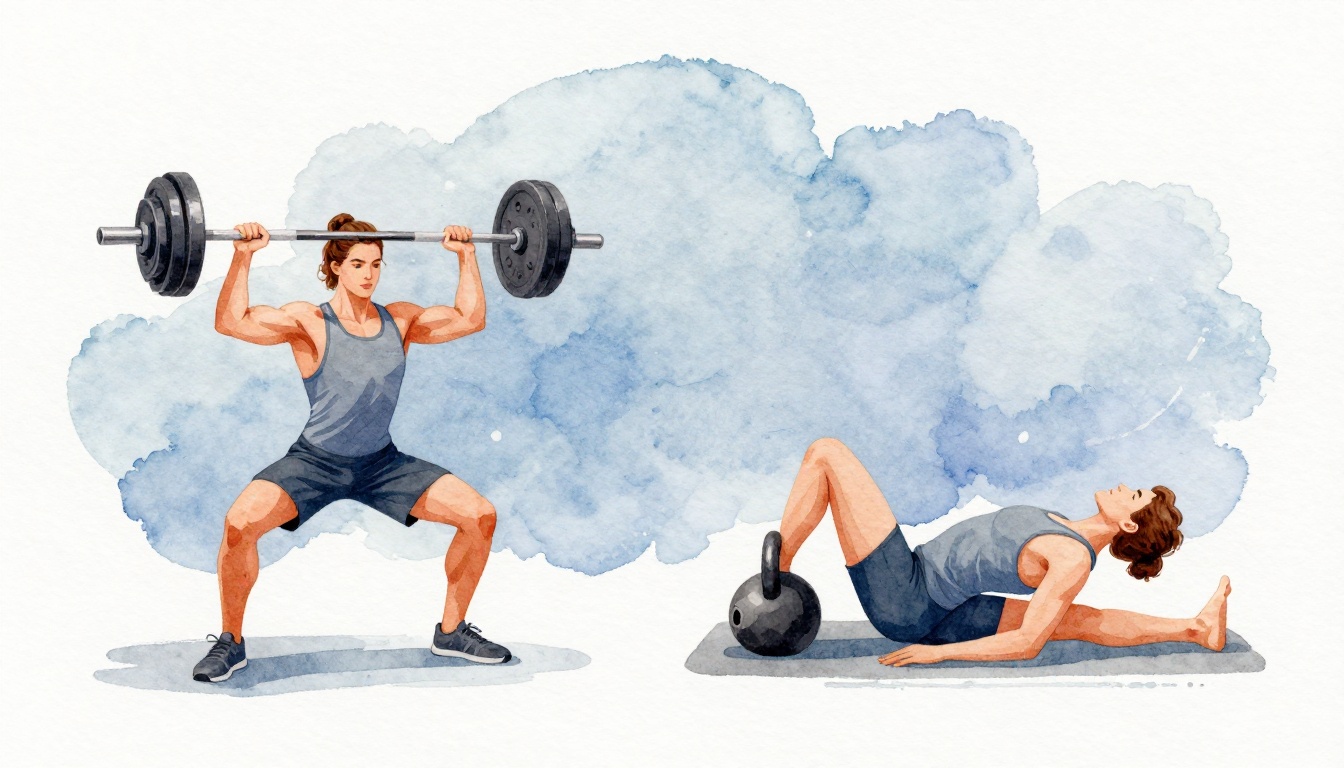
Picture this. You hit the gym week after week, same lifts, same runs. But the mirror stays the same. Progress stalls. Frustration builds. Studies show about 80% of gym-goers hit a plateau within eight weeks of starting a routine. Your body adapts fast. It needs fresh challenges to grow stronger, avoid burnout, and deliver real results.
These plateaus happen because repetition lets muscles coast. Switching routines shakes things up. It sparks gains and keeps you hooked. Watch for key signs it’s time to change your workout routine: stalled progress, fading motivation, body warnings, and life shifts. Spot them early. You’ll make tweaks that feel simple and even fun. Let’s break down each one.
Has Your Progress Ground to a Halt?
Your body loves routine at first. It responds with quick wins. But after four to six weeks, adaptation kicks in. Gains stop. It’s like driving the same road every day. You know every turn. Speed drops because there’s no thrill.
Track your metrics weekly to spot this. Log weights lifted, reps completed, run times, or body measurements. Look at trends over three to four weeks. Ignore daily ups and downs from sleep or stress. Consistent flatlines mean change time.
Strength Gains Have Flatlined
You lift the same weights effortlessly. But adding five pounds feels impossible. Say your bench press sits at 135 pounds for weeks. That’s classic.
Log every session in a simple app. It reveals patterns. Science backs this. Muscles adapt without progressive overload. You push the same load, so they don’t grow. For deeper info on breaking plateaus, check ACE Fitness’s guide to pushing past stalls.
Weight or Body Comp Isn’t Budging
The scale mocks you. No fat loss or muscle gain despite steady calories. Water weight fluctuates. It tricks readings.
Snap weekly photos in the same light. Or use a tape measure on waist and arms. If nothing shifts in a month, your routine lacks stimulus. Patience helps. But action beats waiting forever.
Cardio Endurance Feels Stuck
Your 5K time hasn’t budged in ages. Bike distances stay flat. HIIT rounds feel rote. Test it. Add intervals one session. No improvement? Your heart and lungs adapted.
Vary paces next time. It reignites cardio progress. Track splits to confirm.
Are You Dreading Your Workouts?
Mental fatigue sneaks up. Boredom kills consistency. Your brain craves novelty, per psychology research. Same squats and rows drop dopamine levels. Skips follow.
Quick fixes like new playlists or workout buddies help short-term. But they treat symptoms. A full routine swap fixes the root. Notice the dread build? Time to pivot.
Skipping Sessions More Often
Excuses stack up. You snooze the gym alarm. Miss two or more workouts weekly? Red flag.
Habit science shows streaks fuel motivation. Breaks snowball. Reset by planning one fun change, like swapping runs for rows.
The Routine Feels Like a Chore
Exercises you loved now drag. Squats suck instead of pump you up. Surveys find 70% quit from boredom alone.
Reflect weekly. Rate excitement on a 1-10 scale. Below five means refresh needed. Try machines over free weights. Or circuits over sets.
No Spark of Challenge Left
Everything feels too easy. No beginner buzz of constant progress. You phone it in.
Assess overall effort. If sets end with gas left in the tank, up the ante. Add dropsets or supersets. It restores that edge.
Is Your Body Sending Warning Signals?
Repetition stresses the same muscles and joints. Overuse builds quietly. Trainers recommend switches every four to eight weeks. It prevents injury. Know good soreness from bad pain. DOMS fades in 48 hours. Lingering ache warns of trouble.
Listen close. Your body speaks before it breaks.
Soreness Lingers Too Long
Shoulders ache daily from presses. Normal post-workout soreness? Gone by day two. Constant? Overstress hit.
Add rest days. Include mobility drills like arm circles. It eases strain.
Nagging Pains or Tweaks Appear
Knee twinges during runs. Elbow clicks on curls. New pains signal imbalances.
Don’t ignore. Check form in a mirror. Or get a trainer’s eyes. For overtraining signs, see Mayo Clinic’s recovery tips. Early fixes save weeks sidelined.
You’re Always Tired or Weak
Fatigue lingers all day. Sleep doesn’t recharge. Poor workouts follow.
This hints at overtraining syndrome. Test recovery. Rest three days. Still weak? Switch routines. Prioritize sleep and food too.
Have Your Goals or Life Circumstances Shifted?
Life doesn’t stand still. Neither should your workouts. A new job crowds mornings. Family duties eat evenings. Or goals pivot from bulk to endurance. Mismatch wastes effort.
Align your plan. It boosts adherence and results. In April 2026, hybrid training trends mix strength and cardio for busy schedules, per recent fitness reports.
Schedule No Longer Fits
Parent duties or travel kill the 6 a.m. slot. Old routine crumbles.
Shift to home sessions. Or 20-minute blasts. Apps with quick plans bridge gaps.
Aiming for Different Fitness Wins
Powerlifter eyes yoga now. Bulking ends; cutting starts.
New goals demand fresh moves. Swap barbells for bands. Track how it matches intent.
Seasonal or Environmental Changes
Spring weather calls trails over treadmills. Winter sapped energy; now bloom.
Adapt outside. More hikes as days lengthen. Hybrid setups fit 2026’s flexible trends. Check Peloton’s latest hybrid workout ideas for inspiration.
Spotting these signs keeps fitness fresh. Progress stalls, motivation dips, body warns, life shifts. All normal. A new routine reignites gains.
Audit your log today. Pick one tweak, like novel exercises. Run it four weeks. Track changes.
Your best shape waits just a switch away. Share your top sign in comments. Grab routine ideas below. What change sparked your fire?