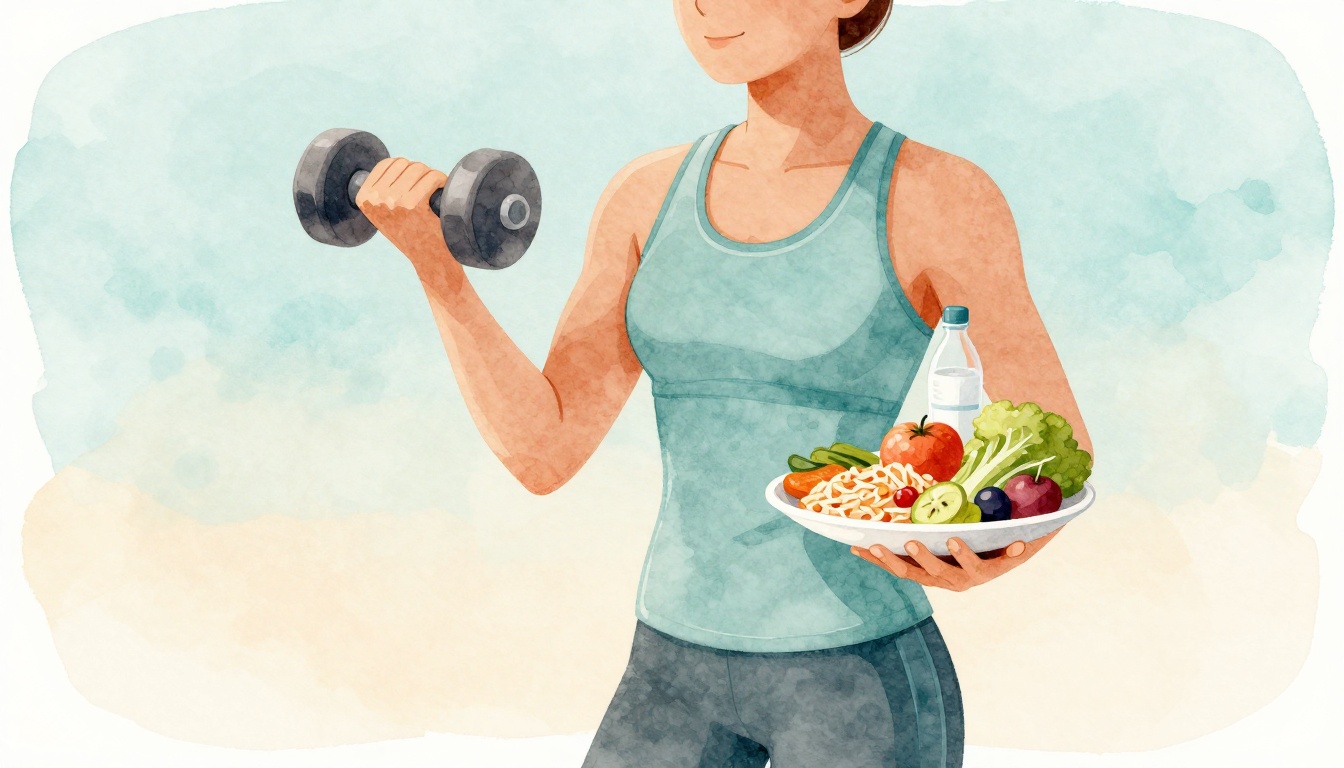
Picture this: you hit the gym hard, sweat through intense sessions, and stick to your routine. But weeks pass, and your progress stalls. No muscle gains, no fat loss, just frustration. That’s your nutrition working against you.
Research from the Journal of the International Society of Sports Nutrition reveals that up to 70% of fitness results stem from diet. Exercise matters, sure. However, food fuels your body, repairs muscles, and drives real change. Ignore it, and you’ll spin your wheels.
Many fitness fans fall into the same traps. You might undereat calories and slow your metabolism. Or you skimp on protein, so muscles never recover. Maybe you fear carbs and crash your energy. Others over-rely on supplements instead of whole foods. Finally, you neglect hydration and micronutrients, which sap your performance.
These five common nutrition mistakes hold back strength, energy, and fat loss. Fix them, and you’ll double your gains. In the sections ahead, we’ll break down each one with simple swaps. You’ll walk away ready to eat smarter and transform your fitness. Let’s get started.
[
  {
    "action": "getRelevantLinks",
    "action_input": {
      "query": "studies athletes undereating calories daily deficit"
    }
  },
  {
    "action": "getRelevantLinks",
    "action_input": {
      "query": "free online TDEE calculator tools"
    }
  },
  {
    "action": "getRelevantLinks",
    "action_input": {
      "query": "Journal of the International Society of Sports Nutrition undereating athletes"
    }
  }
]
Skimping on Protein: Starving Your Muscles of Growth Fuel
Your muscles crave protein after every workout. It repairs tears from lifting weights, builds new tissue, and supports hormone production like testosterone. Plus, protein boosts satiety, so you stay full longer and avoid snack attacks. However, most active people eat just 0.8 grams per kilogram of body weight daily. That’s the basic RDA for couch potatoes, not gym-goers.
The International Society of Sports Nutrition (ISSN) recommends 1.6 to 2.2 grams per kilogram for fitness goals. Skimp here, and you lose gains. Muscles don’t recover fully. You feel hungrier, leading to binges that derail fat loss. Take Jake, a lifter I know. He stuck to 80 grams daily on his 180-pound frame. His bench stalled at 225 pounds for months. He bumped intake to 160 grams. Within weeks, he hit a 275-pound PR. Simple fix, huge results.
Low protein starves progress. So, how much do you need? Let’s break it down next.
How Much Protein Does Your Body Demand?
Your needs shift with goals. For basic maintenance, aim for 1.6 grams per kilogram of body weight. Bulking or intense training? Push to 2.2 grams per kilogram. Always use lean body weight for accuracy, especially if you carry extra fat.
A 150-pound (68 kg) person needs 110 to 150 grams daily. Calculate yours: multiply weight in kg by the range. Spread intake across meals for best use. Your body absorbs 20 to 40 grams per sitting effectively. More than that spills over without much benefit.
Animal sources like meat or eggs offer complete proteins with all essential amino acids. Plants such as beans or rice lack some, so combine them (think rice and beans). Both work if you hit totals.
Here’s a sample day for that 150-pounder targeting 130 grams:
| Meal | Foods | Protein (g) |
|---|---|---|
| Breakfast | 3 eggs + Greek yogurt | 30 |
| Lunch | Chicken breast (4 oz) + quinoa | 35 |
| Snack | Cottage cheese + almonds | 25 |
| Dinner | Salmon (4 oz) + lentils | 40 |
Total hits the mark without effort. Adjust portions as needed.
Protein-Packed Foods and Easy Swaps to Try
Stock your kitchen with these reliable sources. They fit budgets and busy schedules. Each serving packs serious punch.
| Food | Serving Size | Protein (g) |
|---|---|---|
| Chicken breast | 3 oz grilled | 25 |
| Eggs | 2 large | 12 |
| Greek yogurt | 1 cup plain | 20 |
| Lentils | 1 cup cooked | 18 |
| Quinoa | 1 cup cooked | 8 |
| Canned tuna | 5 oz drained | 25 |
| Cottage cheese | 1 cup low-fat | 25 |
| Tofu | 4 oz firm | 10 |
| Almonds | 1 oz (23 nuts) | 6 |
| Salmon | 3 oz baked | 22 |
Swap beef for turkey in stir-fries to cut fat while keeping protein high. Ditch chips for nuts during movie nights. These changes add up fast.
Try quick recipes too. Blend a protein smoothie: Greek yogurt, banana, spinach, and whey powder. Or prep overnight oats: oats, milk, chia seeds, and peanut butter stirred in. Both ready in minutes, perfect for mornings. You fuel growth without stress.
[
  {
    "action": "getRelevantLinks",
    "action_input": {
      "query": "Sports Medicine study carbohydrates high-intensity performance athletes 20-30% boost"
    }
  },
  {
    "action": "getRelevantLinks",
    "action_input": {
      "query": "ISSN position stand carbohydrates exercise performance"
    }
  },
  {
    "action": "getRelevantLinks",
    "action_input": {
      "query": "studies carbohydrates thyroid testosterone hormones athletes"
    }
  },
  {
    "action": "getRelevantLinks",
    "action_input": {
      "query": "carb cycling higher intake training days benefits"
    }
  }
]
[
  {
    "action": "generateImage",
    "action_input": {
      "sectionTitle": "Why Your Workouts Need Carbs to Thrive",
      "imageIntent": "Illustrate an athlete powering through a high-intensity workout with visible energy from carbs, contrasted with fatigue without them; show glycogen stores as glowing energy in muscles",
      "prompt": "Watercolor painting of a fit athlete mid-sprint during HIIT workout, muscles glowing with energy, sweat flying, background gym with weights; soft blending, visible brush texture, warm energetic tones; no text"
    }
  },
  {
    "action": "generateImage",
    "action_input": {
      "sectionTitle": "Best Carb Choices and Timing for Peak Results",
      "imageIntent": "Visual of healthy carb-rich foods like oats, sweet potatoes, fruits, and rice arranged on a plate with portion sizes like fist-sized servings",
      "prompt": "Watercolor style still life of healthy carbs: bowl of oats, baked sweet potato, fresh fruits, white rice on a simple plate; fist-sized portions, soft kitchen table setting, appetizing steam rising; visible brush texture, soft blending, natural light; no text"
    }
  }
]
Over-Reliance on Supplements Over Real Food Basics
You down protein shakes and bars daily, thinking they fuel your gains. However, this habit skips real food basics. As a result, you face nutrient gaps, gut trouble, and stalled progress. Whole foods provide fiber, enzymes, and synergy that pills lack. Most people don’t need stacks of supps, according to the NIH. Focus on food first. Supplements fill small holes only.
Why Whole Foods Always Win Over Pills and Powders
Real steak beats a shake every time. Steak packs protein plus iron, zinc, and B vitamins in natural form. Shakes isolate protein but skip cofactors for absorption. You stay fuller longer with steak, so cravings fade. Cost-wise, home-cooked beats pricey tubs over time.
Check this side-by-side:
| Aspect | 6 oz Grilled Steak | Protein Shake (1 scoop + milk) |
|---|---|---|
| Protein | 42 g | 35-40 g |
| Calories | 420 | 250-300 |
| Fiber | 0 g (pair with veggies) | 0 g |
| Key micros | Iron (4 mg), B12, zinc | Minimal unless fortified |
| Satiety | High (hours of fullness) | Low (hunger returns fast) |
| Cost/serving | $2-3 | $2-4 |
Steak satisfies because fat and texture signal your brain “done eating.” Shakes? They spike blood sugar then crash. No fiber means constipation or bloating hits hard. Enzymes in food aid digestion too. Powders can’t match that.
Many chase whey hype for recovery. It works post-workout, sure. But it doesn’t replace meals. BCAAs? Skip them if you hit protein totals; food covers essentials. Multis often flush out unused in urine. Instead, apply the 80/20 rule. Get 80% nutrients from plates. Use 20% supps max. Your body thrives on broccoli over bars.
Supplements That Actually Deliver When Needed
Not all supps flop. Pick evidence-based ones after testing. Start with creatine monohydrate. It saturates muscles for strength gains. Take 5 grams daily, any time. Mix in water or juice. Studies show 5-15% lifts in reps and power.
Next, vitamin D if deficient. Athletes often test low from indoor training. Get bloodwork first. Aim for 2,000-4,000 IU daily from D3 pills. Sun and fatty fish help too. It boosts mood, bones, and immunity.
Omega-3s fight inflammation. Target 1-2 grams combined EPA/DHA. Choose fish oil or algae for vegans. Eat salmon thrice weekly as food source. These cut soreness after hard sessions.
Always consult your doctor before starting. Blood tests guide dosing. Food covers most needs, so supps stay simple. You gain more from steak and spinach than shelves of bottles.
[
  {
    "action": "getRelevantLinks",
    "action_input": {
      "query": "NIH multivitamin mineral supplements most people fact sheet"
    }
  },
  {
    "action": "getRelevantLinks",
    "action_input": {
      "query": "nutrition comparison grilled steak vs protein shake USDA data"
    }
  },
  {
    "action": "getRelevantLinks",
    "action_input": {
      "query": "ISSN position stand creatine supplementation"
    }
  },
  {
    "action": "getRelevantLinks",
    "action_input": {
      "query": "vitamin D deficiency athletes studies blood test"
    }
  },
  {
    "action": "getRelevantLinks",
    "action_input": {
      "query": "omega-3 EPA DHA dosage fish oil strength training meta-analysis"
    }
  },
  {
    "action": "generateImage",
    "action_input": {
      "sectionTitle": "Why Whole Foods Always Win Over Pills and Powders",
      "imageIntent": "Contrast fresh steak and vegetables on a plate with a plain protein powder shaker, emphasizing real food's appeal and nutrition",
      "prompt": "Watercolor painting of a sizzling grilled steak with colorful veggies on a plate next to a shaker bottle of powder, real food vibrant and appetizing while powder looks bland; soft blending, visible brush texture, warm kitchen light; no text"
    }
  }
]
[
  {
    "action": "getRelevantLinks",
    "action_input": {
      "query": "dehydration 5% body weight loss performance drop athletes study"
    }
  },
  {
    "action": "getRelevantLinks",
    "action_input": {
      "query": "hydration guidelines athletes ACSM ISSN half body weight ounces"
    }
  },
  {
    "action": "getRelevantLinks",
    "action_input": {
      "query": "electrolytes sweat loss sodium potassium magnesium fitness recommendations"
    }
  },
  {
    "action": "getRelevantLinks",
    "action_input": {
      "query": "magnesium deficiency signs athletes muscle cramps recovery"
    }
  },
  {
    "action": "getRelevantLinks",
    "action_input": {
      "query": "zinc deficiency slow healing fatigue athletes"
    }
  },
  {
    "action": "getRelevantLinks",
    "action_input": {
      "query": "vitamin C peppers recovery exercise oxidative stress"
    }
  }
]
[
  {
    "action": "generateImage",
    "action_input": {
      "sectionTitle": "Hydration Hacks to Supercharge Your Fitness",
      "imageIntent": "Show a sweaty athlete drinking from a water bottle after workout, with pale yellow urine color indicator and electrolyte packet nearby, emphasizing hydration recovery",
      "prompt": "Watercolor painting of a fit sweaty athlete post-workout gulping water from a bottle, electrolyte packet and urine color chart nearby on gym floor; soft blending, visible brush texture, warm recovery tones; no text"
    }
  },
  {
    "action": "generateImage",
    "action_input": {
      "sectionTitle": "Micronutrients You Can't Ignore for Recovery",
      "imageIntent": "Vibrant rainbow plate of nutrient-rich foods like spinach, nuts, peppers, meat, seeds highlighting magnesium zinc vitamin C sources",
      "prompt": "Watercolor style close-up of a colorful plate with spinach, nuts, red peppers, lean meat, seeds arranged as rainbow for micronutrients; appetizing, soft kitchen light, visible brush texture, soft blending; no text"
    }
  }
]
Overlooking Hydration and Hidden Micronutrient Gaps
You sweat buckets in workouts, yet forget to replace fluids. Dehydration hits hard because even 5% body weight loss from fluids slashes performance by 30%, per sports science studies. Muscles cramp, energy tanks, and recovery drags. Meanwhile, skimping on veggies and fruits leaves micronutrient gaps that cause fatigue and slow healing. Fitness folks often ignore these basics. Sweat pulls out electrolytes too, so un-replaced losses stall gains. Quick fixes start with meals and smart habits. You fix this, and your body bounces back faster.
Hydration Hacks to Supercharge Your Fitness
Start simple. Drink half your body weight in ounces daily. A 150-pound person needs 75 ounces, about nine 8-ounce glasses. Sweat more? Add 16-32 ounces per pound lost. Track it because thirst lags behind needs.
Check urine color next. Aim for pale yellow, like lemonade. Dark means drink up now. Apps or bottles with measurements help you hit targets without guesswork.
Electrolytes matter because sweat dumps sodium, potassium, and magnesium. Add a pinch of sea salt to water. Coconut water packs natural ones too. During long sessions over an hour, sip mixes every 15-20 minutes.
Time it right. Drink 16 ounces two hours before exercise. Sip 4-8 ounces every 15 minutes during. Rehydrate after with 16-24 ounces per pound sweated. Weigh yourself pre- and post-workout to gauge.
Here are daily targets based on activity:
| Scenario | Daily Fluid Goal | Extra Tips |
|---|---|---|
| Sedentary day | Half body weight (oz) | Sip steadily |
| Moderate workout | +20-30 oz | Urine pale yellow |
| Intense sweat fest | +40+ oz + electrolytes | Weigh before/after |
These steps prevent that mid-set fade. For example, ACSM hydration guidelines for athletes back this approach. You feel stronger right away.
Micronutrients You Can’t Ignore for Recovery
Hidden gaps sneak up because whole foods get overlooked. Magnesium tops the list. It fights cramps and aids muscle repair. Grab it from nuts, spinach, or avocados. Low levels hit athletes hard with fatigue and twitches.
Zinc speeds healing and boosts immunity. Meat, seeds, and oysters deliver it best. Deficiency slows wound repair after tough lifts. You notice cuts lingering or constant tiredness.
Vitamin C battles workout stress too. Red peppers pack more than oranges. It cuts soreness and inflammation. Potassium from bananas or potatoes prevents cramps alongside magnesium.
Signs scream trouble. Fatigue lingers because energy pathways fail. Healing drags; bruises stay purple longer. Cramps strike mid-run.
Eat a rainbow plate instead. Fill half your meals with colorful veggies and fruits. Mix spinach salads with pepper slices and nut toppers. Seeds on yogurt add zinc punch.
Consider this quick sources guide:
| Micronutrient | Top Foods | Daily Goal (active adults) |
|---|---|---|
| Magnesium | Spinach, almonds | 400 mg men, 310 mg women |
| Zinc | Beef, pumpkin seeds | 11 mg men, 8 mg women |
| Vitamin C | Bell peppers, broccoli | 90 mg men, 75 mg women |
Rainbow eating covers bases without pills. Studies like those on magnesium and muscle cramps in athletes confirm it works. Your recovery sharpens, and energy stays steady. Tie these to protein meals from earlier sections. Steak with spinach nails zinc and magnesium at once.
Conclusion
You dodge stalled progress by fixing these nutrition mistakes. Stop undereating calories; calculate your TDEE for a smart deficit instead. Boost protein to 1.6-2.2 grams per kilogram so muscles rebuild fast.
Meanwhile, welcome carbs back for workout fuel and hormone health. Choose whole foods over supplement stacks because they deliver complete nutrition. Finally, hydrate with half your body weight in ounces daily, and eat rainbow plates for micronutrients that speed recovery.
Audit your diet today. Spot one gap, swap it out, and watch breakthroughs happen.
Which mistake hits you hardest? Comment below, share this with your gym buddy, and subscribe for more tips that stick.
Fuel smart, train hard, transform.